So TDEE, what is it? It stands for Total Daily Energy Expenditure which the total amount of energy (calories) our body uses to function, whether that’s scratching our nose, running to the car or making dinner. Each and every activity our body does requires energy to do so.
The way we expend energy is broken up into three different categories; BMR (Basic Metabolic Rate), NEAT (Non-Exercise Activity Thermogenesis) and EAT (Exercise Activity Thermogenesis).
BMR – This would be made up of our day to day functions like standing up, scratching our noses, twitching in our seats, etc. Because different people have differing recurring habits than others everyone’s BMR is different. We can hazard a close guess based on height and weight, after all, you imagine having to lift those guns up to scratch your nose… That’ll take some energy to do so. There isn’t really much we can do about this immediately, there is work we can do regarding meal timing, etc. but speaking broadly your BMR is your BMR and is a constant.

EAT – I’m sure you won’t be surprised that this is the energy you burn during exercise. Like most people if you’re into your exercise you’ll have a set regime of time you put to it, maybe 1 hour a day for 4 days = 4 hours a week. If you do not currently exercise this is a great way to supplement a weight loss diet and create a larger calorie deficit and if you are exercising that I would imagine you’ve already hit your max allowance in the gym (After all you still need to have a life!).

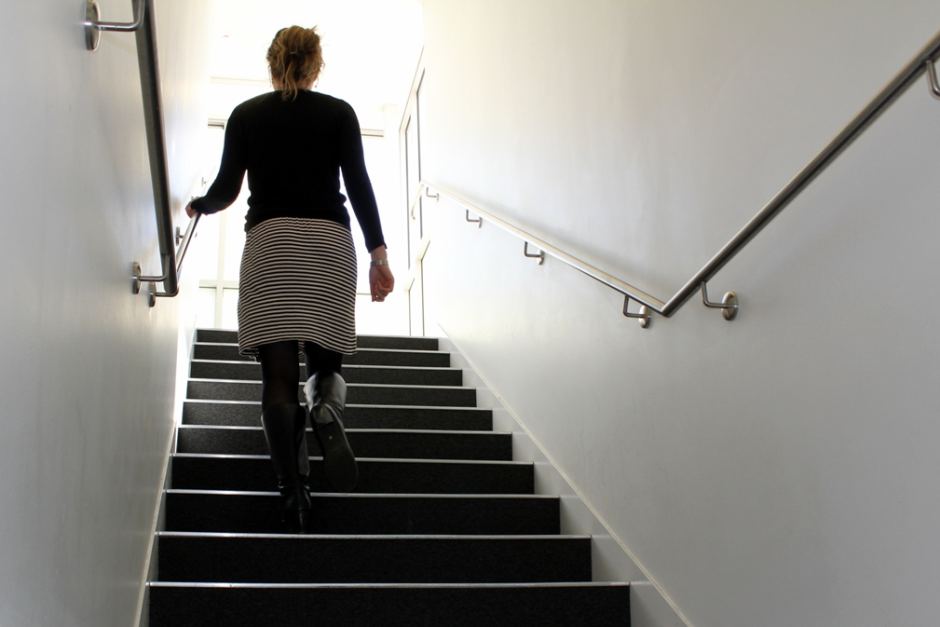
NEAT – I’ve left this one till last as possibly this is the most important part of our bar chart! You might have noticed I mentioned in the other two that these were ‘constant’ and what I meant by that was that your metabolism is what it is, we can manipulate it slightly but it isn’t going to change a significant amount. The exercise you do is governed by the amount of time you have spare to throw at it and for most people that spare time a week is constantly the same. NEAT, however, is the one that allows for variation, the one piece that can move up or down on our chart. There is plenty of work going on at the moment looking into how the other two areas (BMR + EAT) effect NEAT but also just how important getting your ‘NEAT up’ can be. That can be things like parking your car as far away from the shops as possible (maybe even as far as your house! … Joking, kind of…) or instead of taking the dog to the end of the street and back going for 5, then 10, then 15 minute walks, building it up each time and this way with each walk building up your NEAT.